The Existential Crisis of Libraries: A Call for Digital Evolution By Arindam Sengupta,Senior Academic Coordinator,DPS Fulbari
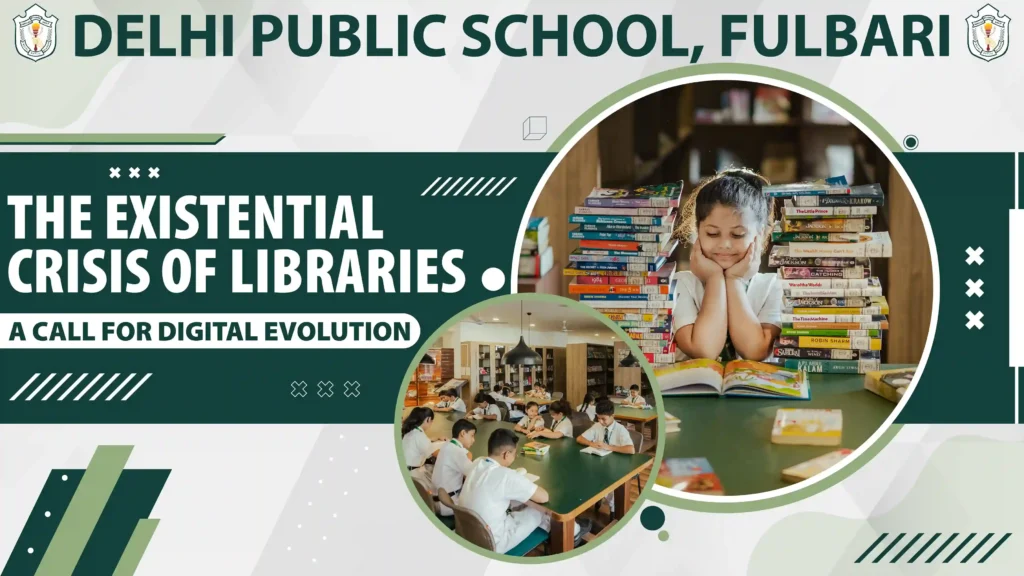
The enactment of the West Bengal Public Library Act in 1979 marked a watershed moment for the state’s intellectual landscape. It brought a vast network of libraries— spanning urban centers, suburban neighborhoods, and remote rural pockets—under the state’s aegis through a systematic process of modernization. For over three decades, these institutions, though government-approved, thrived under the stewardship of local management committees, successfully catering to the diverse needs of a bibliophilic society.
However, in the face of shifting contemporary paradigms and the evolving expectations of a new generation, these hallowed halls of learning are now grappling with a profound existential crisis.
The Current Predicament
The symptoms of this decline are visible and concerning. We are witnessing a steady attrition in footfall, as traditional reading rooms grow increasingly vacant. This is not merely a change in habit but a reflection of systemic stagnation. A lack of robust infrastructure has led to a chronic shortage of contemporary titles that resonate with the interests of today’s readers. Most significantly, the meteoric rise of digital media has cast a shadow over the traditional library model, leaving it struggling to remain relevant in a hyper-connected world.
A Roadmap for Resurgence
To safeguard the future of our libraries and align them with the requirements of the 21st century, immediate state intervention is imperative. We must bridge the gap between tradition and technology through a series of strategic reforms:
- The Rise of the “Blended Library”: We must move toward a hybrid model that integrates digital media with physical collections. The inclusion of dedicated cyber centers within library premises will attract researchers and students who require high-speed information access.
- Expansion of E-Resources: To meet the demands of the “digital native” generation, the integration of e-libraries—offering remote access to e-books, journals, and databases—is no longer an option but a necessity.
- Infrastructure Overhaul: Beyond just digital tools, the physical environment must be upgraded to serve as a multifaceted hub for community education and intellectual discourse.
Conclusion
We must recognize that the survival of the library as an institution depends on its ability to synchronize with the pulse of modern social life. By embracing technological synergy, we can ensure that libraries do not become relics of the past, but rather transform into vibrant, multi-dimensional sanctuaries of knowledge. The preservation of our book-centric culture depends entirely on our willingness to evolve.
Important Links: